

The World of Saree Fabrics
India is home to an incredible variety of saree fabrics, each with its own unique texture, drape, and character. The art of weaving sarees has been passed down through generations, with each region of India contributing its own distinctive style, motif, and technique. Whether you prefer the luxurious sheen of silk or the breezy comfort of cotton, there is a saree fabric perfectly suited to every occasion and every woman. Understanding the different fabrics can help you make a more informed choice — one that complements your personality, the occasion, and the season.
Silk Sarees
Silk is the queen of saree fabrics. Banarasi silk, Kanjivaram silk, and Mysore silk are among the most celebrated varieties. Known for their rich luster, intricate zari work, and durability, silk sarees are the go-to choice for weddings, festivals, and special occasions. A Kanjivaram silk saree, for instance, can take weeks to weave by hand and is considered a treasured heirloom passed from mother to daughter. The weight of the fabric gives it a majestic drape, and the gold or silver zari borders add an unmatched grandeur. Banarasi silk, on the other hand, is famous for its Mughal-inspired floral and foliate motifs, making it a timeless bridal favourite.
Cotton Sarees
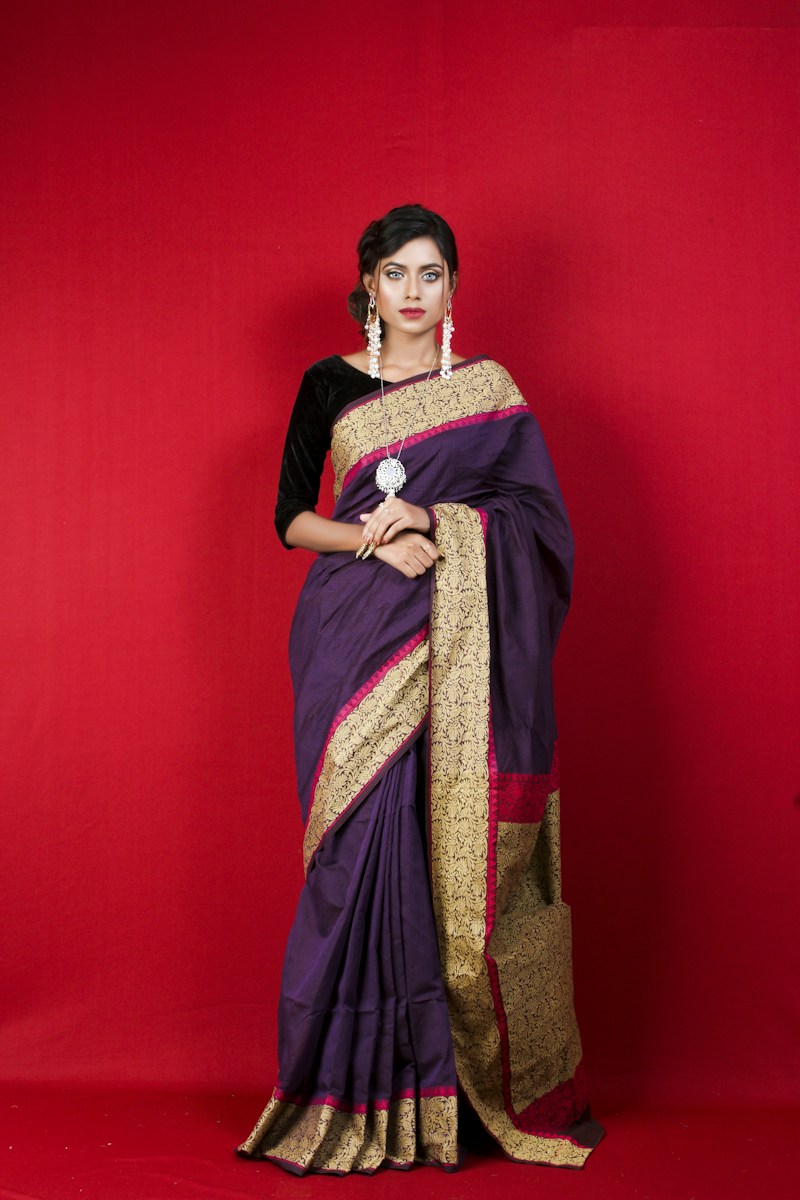
Cotton sarees are beloved for their comfort and versatility. Lightweight and breathable, they are perfect for everyday wear, especially in India's warm climate. Varieties like Chanderi cotton and Sambalpuri cotton are known for their beautiful handwoven patterns. Chanderi sarees, originating from Madhya Pradesh, feature a sheer texture with delicate zari or silk thread work, making them ideal for both casual and semi-formal occasions. Sambalpuri sarees from Odisha are celebrated for their traditional ikat (tie-dye) patterns, which are created by resist-dyeing the threads before weaving — a painstaking process that results in stunning geometric designs. Cotton sarees are also a sustainable choice, as they are natural, biodegradable, and support local artisan communities across India.
Georgette & Chiffon
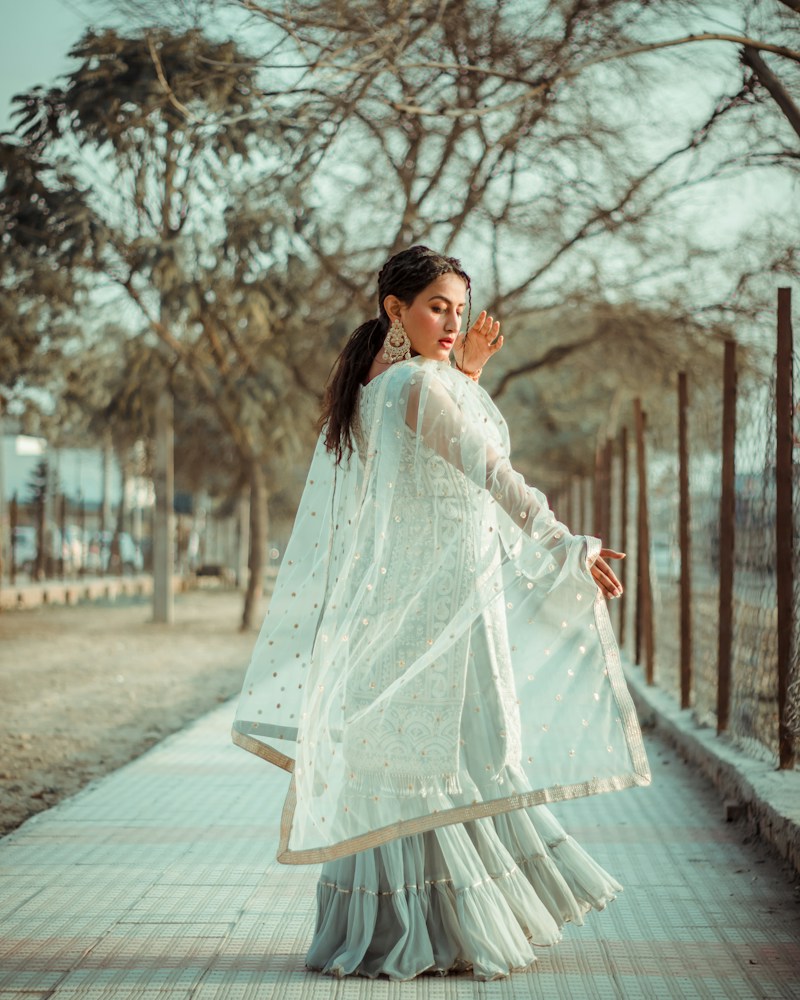
For those who love a flowing, elegant drape, georgette and chiffon sarees are an excellent choice. These lightweight fabrics are easy to carry and are popular for parties and semi-formal occasions. Georgette has a slightly crinkled texture that gives it body and movement, while chiffon is ultra-sheer and delicate, creating a dreamy, ethereal look. Both fabrics are often embellished with embroidery, sequins, or digital prints, making them a favourite for evening events, receptions, and festive gatherings. They are also easy to style and pair beautifully with statement jewellery and embroidered blouses.
Linen Sarees
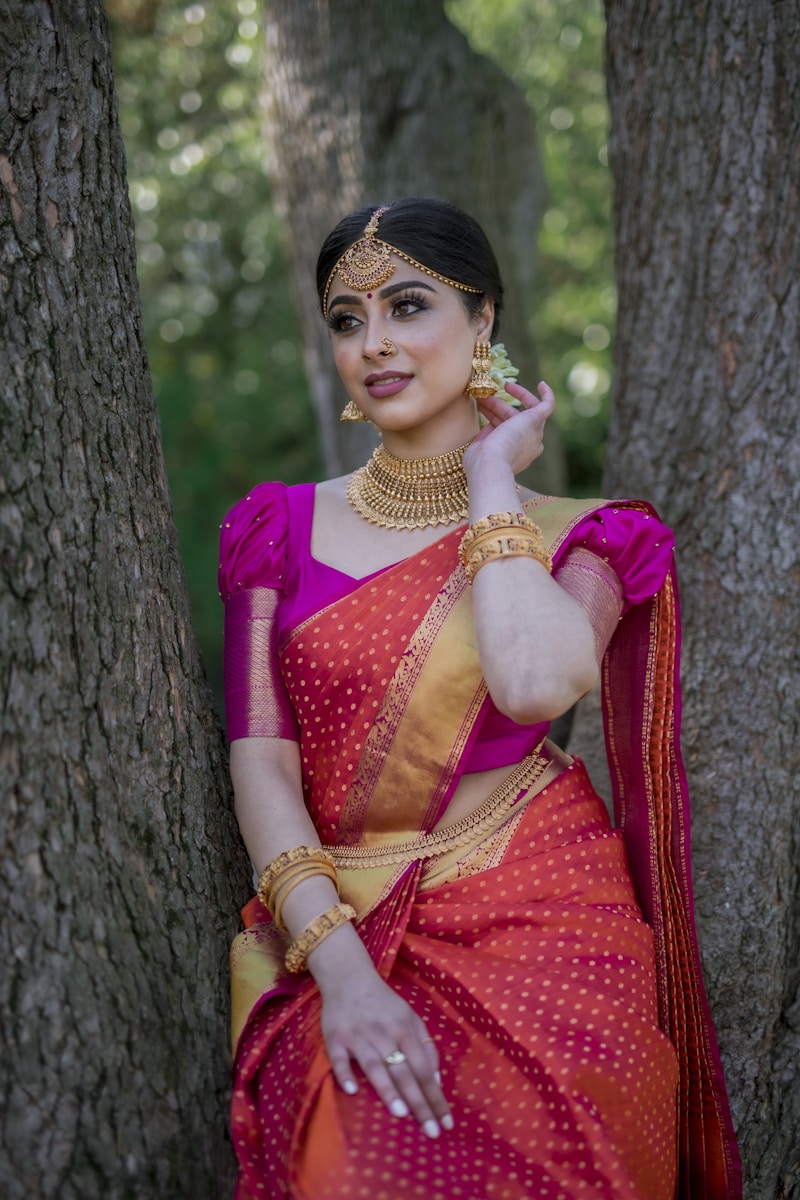
Linen sarees have gained immense popularity in recent years for their natural texture and eco-friendly appeal. They offer a sophisticated, contemporary look while remaining comfortable throughout the day. Linen is derived from the flax plant and is one of the oldest textiles in the world. Its slightly coarse texture gives it a distinctive, earthy character that pairs beautifully with minimalist jewellery and natural accessories. Linen sarees are particularly popular among working professionals and urban women who want to look elegant without sacrificing comfort. They are also highly durable and become softer with every wash, making them a long-term wardrobe investment.

Other Notable Fabrics
Beyond the classics, there are several other fabrics worth exploring. Organza sarees are crisp and sheer, often used for festive and bridal wear due to their structured drape. Tussar silk, also known as Kosa silk, has a natural golden sheen and a rich, textured feel — it is especially popular in Jharkhand and Bihar. Crepe sarees are smooth and slightly stretchy, making them very comfortable and easy to drape. Net sarees, often layered over a contrasting lining, are a glamorous choice for evening events and are frequently adorned with heavy embroidery or stone work.
How to Care for Your Saree
Proper care can significantly extend the life of your saree. Silk sarees should ideally be dry-cleaned or hand-washed with mild detergent and stored wrapped in a muslin cloth to prevent moisture damage. Cotton sarees can be machine-washed on a gentle cycle, but it is best to air-dry them in the shade to preserve their colour. Georgette and chiffon sarees should be hand-washed gently and hung to dry. Always store your sarees folded neatly, and refold them along different lines every few months to prevent permanent crease marks.
Choosing the Right Fabric
At Kashvi, we offer sarees in a wide range of fabrics to suit every taste and occasion. Our experts are always on hand to help you find the perfect weave for your needs. When choosing a fabric, consider the occasion (formal, casual, festive), the climate of your region, your comfort preferences, and your personal style. A silk saree might be perfect for a wedding, while a linen or cotton saree could be your best companion for a day at the office or a casual outing. Explore our collection and discover the fabric that speaks to you — because every woman deserves a saree that feels like it was made just for her.


